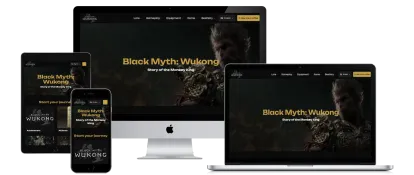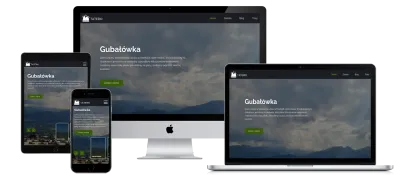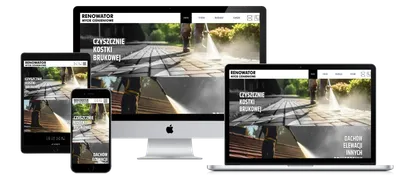
There are more than half a billion websites online, and new ones are appearing at an incredible pace.
Whether it’s a large company with decades of tradition or a private individual who wants to publish their CV on a personalized website—everyone assumes they need to stand out. There are many factors that determine this, ranging from the whole visual identity groundwork to broadly understood marketing.
The first step is defining the goal
The fact is that without a goal we don’t know where we’re headed—so even on the internet we need to define what we want to achieve. Focusing on preparing a website or an online store, we have a whole range of possibilities. Of course, specialists know the standards a website should meet: above all, it must be W3C-compliant and responsive.
The goal of a store, of course, is sales—but in terms of that sales process you need to consider many features and elements, such as payment integration, connecting to external platforms, and additional functions like a live chat, etc. A website is often information about the company and its offer, but it can also be enriched—for example by adding a language plugin. In the design process, you should use proven tools to achieve the intended goal.
Second: define your online image.
After the first stage, we already know what we want to achieve—so it’s time to move on to action. Based on the expectations we’ve defined, we select tools and solutions. A graphic design is created, which must be an excellent business card for the client. Every element matters: its look, and then how it works. Website graphics are the first few seconds that decide whether people like the site, so there’s no room for mistakes here. This is the first front when it comes to online image. Next comes usability—meaning the most intuitive navigation. Users shouldn’t have to search for too long; they need a clear buying path and menu.
This prepared design is then published online, where it begins to represent the brand it’s associated with.